
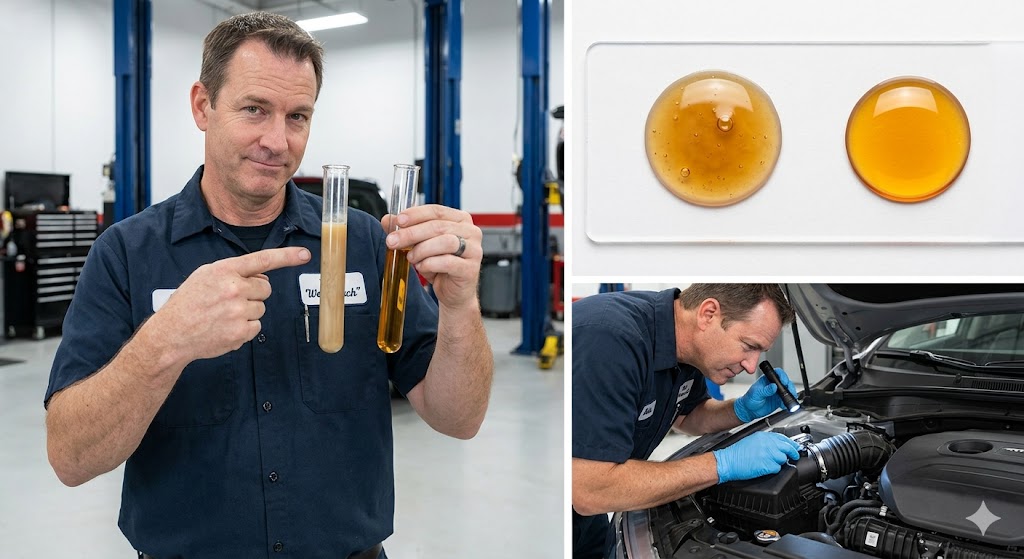
I hear it in my shop every day. Folks grumble that a synthetic oil change hits $120. I’ve already explained why full synthetic oil changes cost so much these days.
But here is the truth: A $120 synthetic oil change is cheaper than a $12,000 engine replacement.
In 2026, with inflation hitting everyone, the best way to save money on oil changes isn’t by finding a cheaper retailer or a budget service shop. The ultimate way to save is by making your premium synthetic oil last longer.
I’ve spent 25 years looking inside engines. I know definitively that engines last longer with synthetic oil. But here is the secret: In 2026, synthetic oil doesn’t just “fail” chemically; it fails because it gets too dirty to function.
Here is the mechanic’s honest truth about what contaminates your expensive oil, and how you can naturally—and mostly for free—keep it cleaning your engine for thousands of extra miles.
1. Meet the Enemy: Moisture and Fuel Dilution
Modern engines in 2026 create incredible heat and pressure. Every single explosion in your cylinders pushes a little bit of exhaust gas, unburnt fuel, and water vapor past the piston rings and down into the oil pan.
This is called “blow-by.” Synthetic oil is excellent at holding these contaminants, preventing them from forming hard carbon deposits.
But once the oil is fully saturated with fuel and moisture, it can’t protect anymore. It gets overloaded and starts turning into sludge. You cannot see this saturation on the dipstick; it looks clean until it suddenly fails.
2. Myth Busting: Does Synthetics Need “Adding Cleaners”?
This is a critical point. Do not add any “engine cleaners,” “treatments,” or “stabilizers” to your full synthetic oil.
Modern full synthetic is already a complete, balanced chemical product. It contains all the detergents and dispersants it needs. Adding aftermarket chemicals disrupts this delicate balance and can actually cause the oil’s additive package to break down faster.
The key to longer cleanliness isn’t adding things; it’s stopping contaminants from building up in the first place.
WATCH: Science Demonstrates how Short Trips Destroy Oil
Don’t think that water can contaminate your oil? This demonstration shows exactly what happens when condensation builds up and emulsifies your expensive engine lubricant, creating that dreaded ‘forbidden milkshake’ sludge.
3. Dave’s Top 3 Free Tips to Keep Oil Clean Longer
You don’t need expensive products; you just need to understand how your engine works.
Tip 1: The “20-Minute Cure” for Driving Habits
This is the absolute best way to extend oil life. When you start your car, condensation builds up inside the block. Fuel also collects on the cold cylinder walls and gets washed into the oil.
If you only drive 10 minutes to the office, the engine never gets hot enough for this moisture and fuel to vaporize (cook off) and be expelled through the PCV system.
This is why, for many modern drivers, months are actually more important than miles for an oil change.
Dave’s Advice: At least once a week, take your car on a continuous, 20-30 minute highway drive. Getting the oil up to full operating temperature (about 200°F) for an extended period vaporizes that fuel and water, literally “cleaning” the oil naturally.
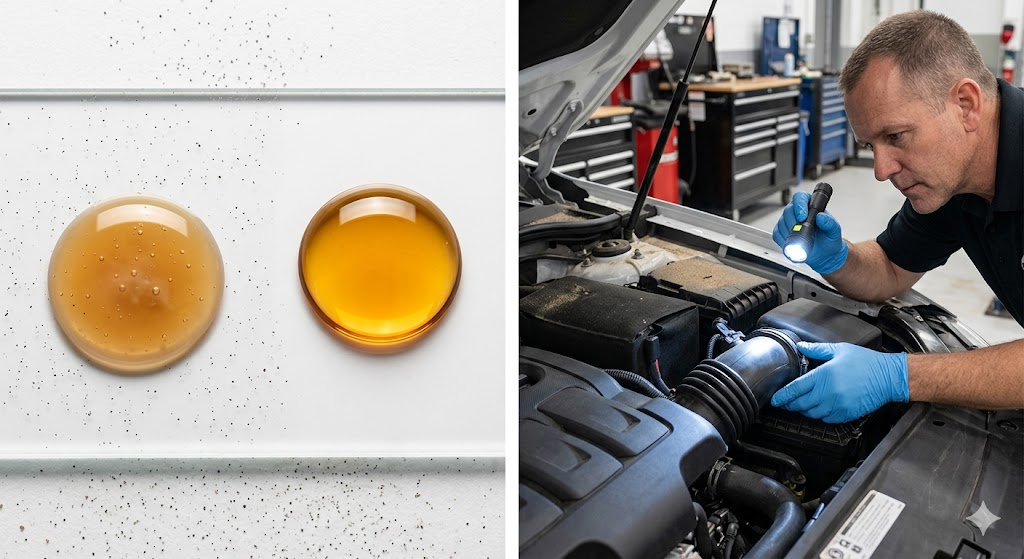
Tip 2: The Easiest (and Most Ignored) $15 Service—The PCV Valve
This is the system that expels all those blow-by vapors. If your Positive Crankcase Ventilation (PCV) valve gets clogged, those corrosive gasses stay trapped in the oil pan, instantly contaminating your fresh oil.
Dave’s Advice: Replace your PCV valve once a year. On most cars, it’s a simple, $15 plastic part that you can replace yourself in 5 minutes with a pair of pliers. It is crucial. In fact, keeping the PCV system functioning properly is more important than worrying about how often to change your oil filter with synthetic oil —if the PCV is blocked, your oil filter is trying to clean an acid bath.
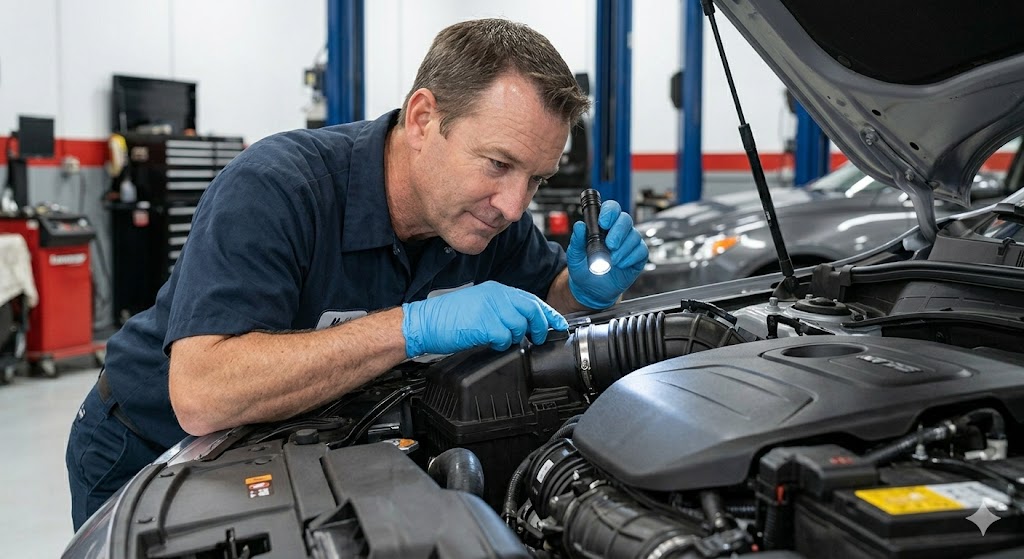
Tip 3: Don’t Skip the Pre-Inspection ACTION (Intake System Check)
Before I even drain the old oil, I check the air intake system. If you have a tear in the air intake boot or a leaky air filter box gasket, dirty, abrasive dirt is bypassing the filter and being sucked directly into your cylinders.
This is (abrasive material). It will instantly contaminate your new synthetic oil with hard micro-grit and wear down your engine, directly causing the severe signs of bad engine oil like gritty grinding sounds.
Dave’s Advice: When you change your oil (or have it done), manually check the air intake boots. Look for cracks. Ensure the air filter box lid is sealed tight and not warped. It costs nothing but 30 seconds of your time.
4. Dave’s Verdict: Protecting Your Investment
Synthetic oil is a premium investment in your engine’s longevity. But even in 2026, the best way to save money on oil changes isn’t by shopping for discounts; it’s by ensuring your expensive oil stays clean.
By focusing on driving habits that vaporize contaminants, maintaining the critical PCV system, and ensuring your air intake is tightly sealed, you will keep your full synthetic oil cleaning and protecting your engine long after a neglected car would be in bypass mode.
A $120 oil change is a lot of money in 2026. Let’s make sure you get every penny of value from it.


